
Idaho Falls
Pocatello
Rexburg
Twin Falls
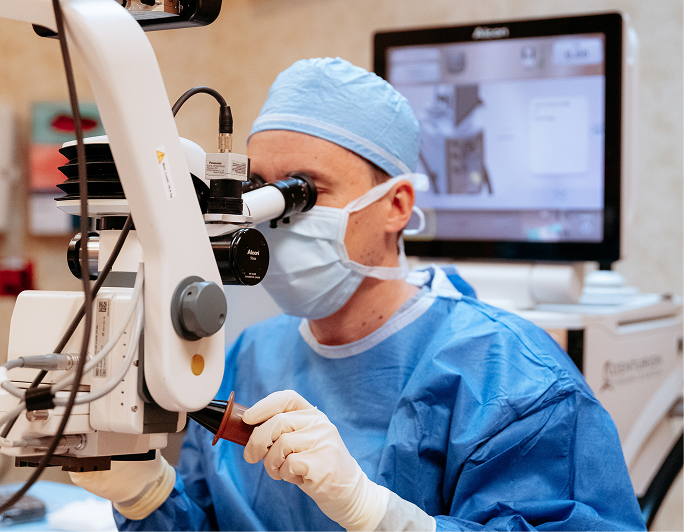
A cataract is a common age-related eye condition that occurs when the eye’s natural lens becomes cloudy over time. As proteins in the lens gradually break down and clump together, light can no longer pass through clearly, causing blurry, hazy, or dim vision. Many patients describe cataract vision as looking through fogged or frosted glass.
Cataracts typically develop slowly and may not noticeably affect your vision at first. Over time, however, they can make everyday activities such as reading, driving at night, watching television or recognizing faces more difficult. Cataracts are one of the leading causes of vision loss in older adults, but they are highly treatable with modern cataract surgery.
Cataracts can develop in one or both eyes, and the location of the clouding within the lens determines the type of cataract and the symptoms you may experience.
These cataracts form in the center (nucleus) of the lens and are commonly associated with aging. They may initially cause temporary improvement in near vision before progressively leading to blurred or yellowed vision.
Cortical cataracts develop around the outer edges of the lens and gradually extend inward in a spoke-like pattern. They often cause glare, light sensitivity, and difficulty with contrast or night driving.
Also called subcapsular cataracts, these develop at the back of the lens and can progress more quickly than other types. Symptoms may include glare, halos around lights, and trouble reading or seeing clearly in bright light.
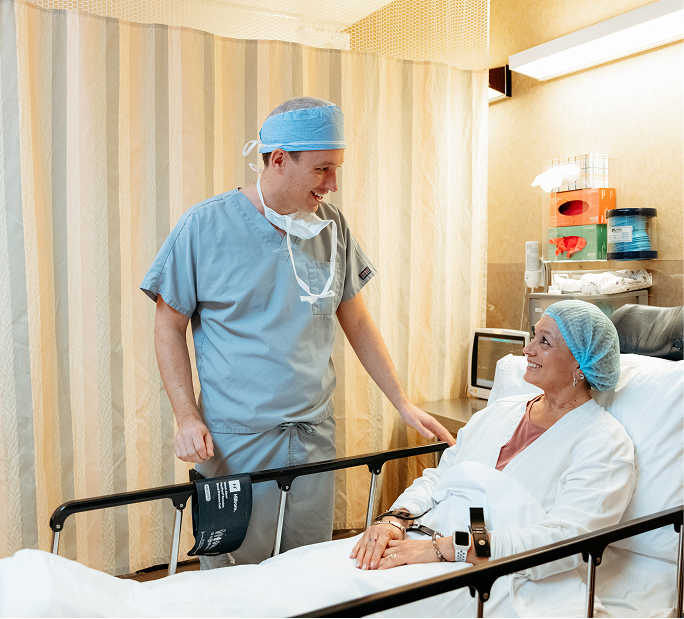
While cataracts are typically associated with aging, they can also occur due to disease, injury, birth defect or certain medications. Symptoms of cataracts include:
If you are experiencing blurry vision, glare, halos or other symptoms of cataracts, scheduling a free Cataract Screening can help determine the best treatment options for your vision and lifestyle.
At Idaho Eye and Laser Center, we provide comprehensive cataract diagnosis and advanced cataract treatment for patients throughout Idaho Falls and Southeast Idaho. Cataracts are a common part of aging, but early detection and personalized treatment can help protect your vision and improve your quality of life.
Cataracts are usually caused by aging as proteins in the eye’s natural lens begin to break down and cloud vision over time.
While cataracts cannot always be prevented, protecting your eyes from UV light, avoiding smoking, and maintaining overall health may help slow their development.
Cataract surgery is recommended when blurry/reduced vision begins interfering with daily activities like reading, driving, or watching television.
If cataracts are present in both eyes, surgery is typically performed one eye at a time to allow for proper healing.
Yes. Cataract surgery is one of the safest and most commonly performed procedures in the United States with a high success rate.
Most patients experience little to no pain during cataract surgery. Numbing eye drops are used to keep you comfortable throughout the procedure.
The cost of cataract surgery varies depending on your insurance coverage and the type of lens selected. Our team can help review your options during your consultation.
Some patients still need glasses for certain activities after surgery, while others reduce their dependence on glasses with advanced lens options.
Many patients return to normal daily activities within a few days, although complete healing may take several weeks.
The best lens depends on your vision goals, lifestyle, and eye health. Your cataract surgeon will help you choose the right option during your consultation.